
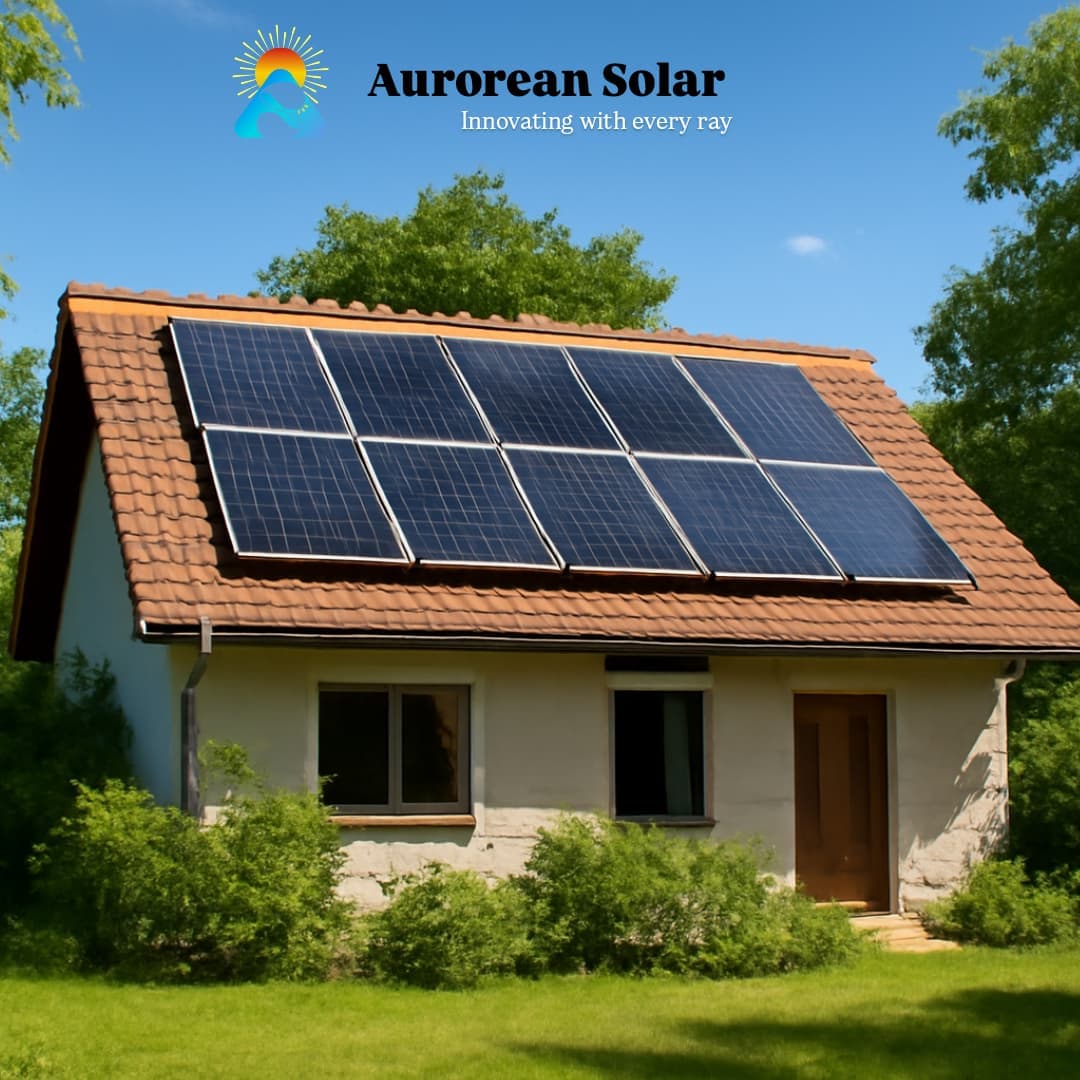
Power Your Home with the Sun: A Complete Guide to Residential Rooftop Solar
Unlock energy independence, slash your electricity bills, and contribute to a greener planet. This guide provides everything you need to know about switching to clean, renewable solar energy for your home.
How Rooftop Solar Works: Your Personal Power Plant
A residential rooftop solar system is a simple yet powerful way to generate your own electricity. Here's a breakdown of the process:
- Capturing Sunlight: Solar panels with PV cells installed on your rooftop convert sunlight into DC electricity.
- Converting to Usable Power: The inverter converts DC electricity into AC, which powers your appliances.
- Powering Your Home: AC electricity runs through your home's panel to power lights, fans, ACs, and more.
- Excess Energy and Net Metering: Surplus power is exported to the grid, earning credits against future bills.
- Energy Storage (Optional): Batteries can store excess solar energy for use at night or during outages.
The Anatomy of a Rooftop Solar System: Key Components
- Solar Panels (PV Modules): Capture sunlight and convert it into DC electricity.
- Inverter: Converts DC into AC usable by your home.
- Mounting Structure: Secures panels on your rooftop safely.
- Monitoring System: Lets you track system performance and energy data.
- Cables and Wiring: Weather-resistant, safe electrical connections.
- Net Meter: Bidirectional meter for net metering credits.
- Battery Storage (Optional): Stores excess energy for backup and nighttime use.
Government Subsidy & Pricing: Making Solar Affordable
The Indian government is actively promoting the adoption of solar energy through attractive subsidy schemes.
PM Surya Ghar: Muft Bijli Yojana (2025)
This flagship scheme provides substantial financial assistance for residential rooftop solar installations. Under this scheme:
- For 1kW – ₹30,000
- For 2kW – ₹60,000
- 3kW to 10kW – ₹78,000
Estimated Rooftop Solar Prices in India (2025)
The cost of a residential rooftop solar system depends on its capacity, components, and installer. Before subsidy, approximate prices are:
- 1 kW System: ₹50,000 – ₹70,000
- 2 kW System: ₹1,10,000 – ₹1,60,000
- 3 kW System: ₹1,90,000 – ₹2,50,000
- 5 kW System: ₹2,70,000 – ₹3,60,000
Note: Prices are indicative. Always get quotes from multiple reputable installers.
Return on Investment (ROI): A Smart Financial Decision
Investing in a rooftop solar system offers significant long-term financial benefits.
Calculating Your ROI
The return on investment is the point at which your savings equal your initial investment.
Example:
- System: 3 kW
- Total Cost: ₹2,20,000
- Subsidy: ₹78,000
- Net Investment: ₹1,42,000
- Annual Generation (approx.): 4,380 kWh (3 kW × 4 kWh/day × 365)
- Average Tariff: ₹7/kWh
- Annual Savings: ₹30,660
- Payback Period: ~4.6 years (₹1,42,000 ÷ ₹30,660). After this, electricity is free!
The Abundant Benefits of Going Solar
Financial Benefits:
- Reduced Electricity Bills
- Protection from Rising Tariffs
- Increased Property Value
- Low Maintenance Costs
Environmental Benefits:
- Clean and Green Energy
- Reduced Carbon Footprint
- Conservation of Natural Resources
Lifestyle Benefits:
- Energy Independence
- Uninterrupted Power Supply with storage
- Contribute to a Sustainable Future
Ready to make the switch to solar?
Contact us today for a free consultation and a customized quote for your home!