
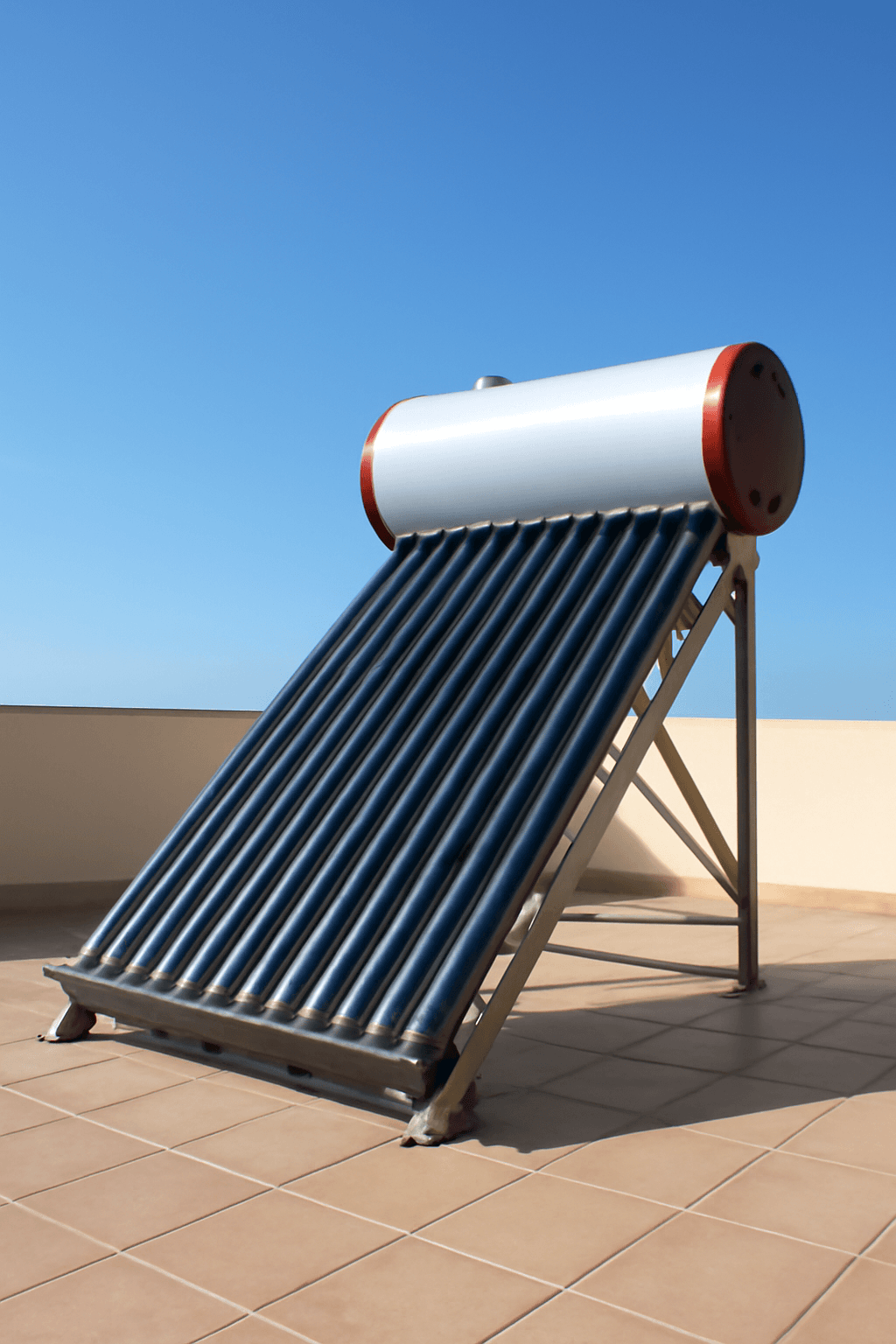
Harness the Sun: The Ultimate Guide to Solar Water Heaters
Switch to a smarter, cleaner, and more economical way to get hot water. A solar water heater is a simple yet powerful technology that uses the free and abundant energy of the sun to heat your water, reducing your reliance on electricity or gas and leading to significant savings on your energy bills.
This guide will walk you through everything you need to know about how these amazing devices work and the key components that make it all happen.
How a Solar Water Heater Works: The Simple Magic of Sunlight
At its core, a solar water heater works on a very simple principle: the greenhouse effect. It captures solar radiation and uses it to heat water, which is then stored in an insulated tank for your use.
There are two main types of systems based on how the water circulates:
1. The Natural Flow (Thermosyphon) System
This is the most common and cost-effective system for homes. It works on the principle of natural convection – the tendency for hot water to rise.
Here’s the step-by-step process:
- Absorption: Cold water from the storage tank flows into the bottom of the solar collector. The collector, with its dark, heat-absorbent surface, captures the sun's rays and heats the water inside its tubes.
- Convection: As the water heats up, it becomes lighter and less dense. This causes it to naturally rise through the collector's tubes.
- Storage: The hot water flows into the top of the insulated storage tank, which is strategically placed above the collector.
- Circulation: As the hot water enters the tank, it displaces the cooler, denser water at the bottom of the tank, which then flows down into the collector to be heated. This creates a continuous, natural circulation loop (a thermosyphon effect) as long as the sun is shining.
- Ready for Use: You can then draw hot water directly from the top of the tank whenever you need it.
2. The Forced Circulation System
These systems are more versatile and are often used in colder climates or for larger commercial applications. They use a small pump to circulate the fluid.
How it works:
- Pumping: A small, low-power pump pushes either water or a heat-transfer fluid (like a water-glycol mixture) from the storage tank to the solar collector.
- Heating: The fluid gets heated in the collector by the sun's energy.
- Heat Exchange: The heated fluid is then pumped back to a heat exchanger, which is typically located inside or around the storage tank. Here, it transfers its heat to the water in the tank, without the fluids directly mixing.
- Recirculation: After transferring its heat, the now-cooler fluid is pumped back to the collector to be reheated.
- Smart Control: A controller unit automates this process, turning the pump on only when the collector is hotter than the water in the tank, ensuring maximum efficiency.
The Key Components of Your Solar Water Heater
Every solar water heating system is built around a few core components that work together to provide you with hot water.
1. The Solar Collector: The Heart of the System
This is where the magic begins. The collector's job is to absorb as much solar energy as possible and transfer it as heat to the water. There are two main types:
- Flat Plate Collector (FPC):
- Structure: Consists of an insulated, weatherproof metal box with a dark absorber sheet (usually copper) and a transparent glass cover. A network of copper tubes is bonded to the absorber sheet.
- How it Works: Sunlight passes through the glass and heats the absorber sheet. This heat is then transferred to the water flowing through the copper tubes.
- Best for: Areas with strong, consistent sunlight and climates where temperatures rarely drop below freezing. They are durable and cost-effective.
- Evacuated Tube Collector (ETC):
- Structure: Composed of rows of parallel, transparent glass tubes. Each tube is a twin-tube design with a vacuum created between the inner and outer tubes, just like a thermos flask. The inner tube has a special coating that absorbs solar energy.
- How it Works: The vacuum acts as a superb insulator, dramatically reducing heat loss. This allows ETC systems to heat water to higher temperatures and operate more efficiently in cloudy weather and cold climates.
- Best for: Colder climates, overcast conditions, and applications requiring higher water temperatures.
2. The Insulated Storage Tank
- Insulation: The tank is heavily insulated (usually with PUF insulation) to keep the water hot overnight and during cloudy days, minimizing heat loss.
- Material: The inner tank is typically made of stainless steel or has a special coating to prevent corrosion and ensure a long life.
- Backup Heater (Optional): Many tanks come with a provision for an electric backup heater that can be used to heat the water during extended periods of cloudy weather, ensuring you never run out of hot water.
3. Connecting Pipes and Stand
- Pipes: Insulated pipes are used to connect the collector to the storage tank, minimizing heat loss as the water circulates.
- Supporting Stand: A sturdy, corrosion-resistant stand holds the entire system in place on your roof, angled to receive maximum sunlight throughout the day.
Benefits of using Solar Water Heater
- Eco-Friendly: Drastically reduces your carbon footprint by using clean, renewable energy.
- Huge Savings: Slash your electricity or gas bills by up to 80%.
- Low Maintenance: These are simple, robust systems that require minimal upkeep.
- Long Lifespan: A well-maintained system can last for 15-20 years.
- Energy Independence: Reduces your vulnerability to rising energy prices.
Ready to make the switch?
Contact us today for a free consultation and discover the perfect solar water heating solution for your home!
Why we choose us?
Switch to a solar water heater system and experience the power of clean energy, cost savings, and a sustainable future. Reduce your carbon footprint, lower your energy bills, and enjoy a reliable source of hot water. Make the smart choice for your home and the planet - go solar today!